
Introduction: Where Hellstar Sits in Streetwear Now
Hellstar is a niche label that channels goth, punk and skatewear codes into hard-edged graphic tees, hoodies and limited runs; that positioning is what lets it sit comfortably inside contemporary streetwear. The brand’s visual language—occult motifs, distressed type, DIY silkscreen texture—and its release tactics mirror the behaviors that define the scene: scarcity, community seeding and cultural signaling. This article maps exactly how Hellstar’s design choices, drop mechanics, collaborations and community playbook plug into wider streetwear culture and what that means for credibility and longevity.
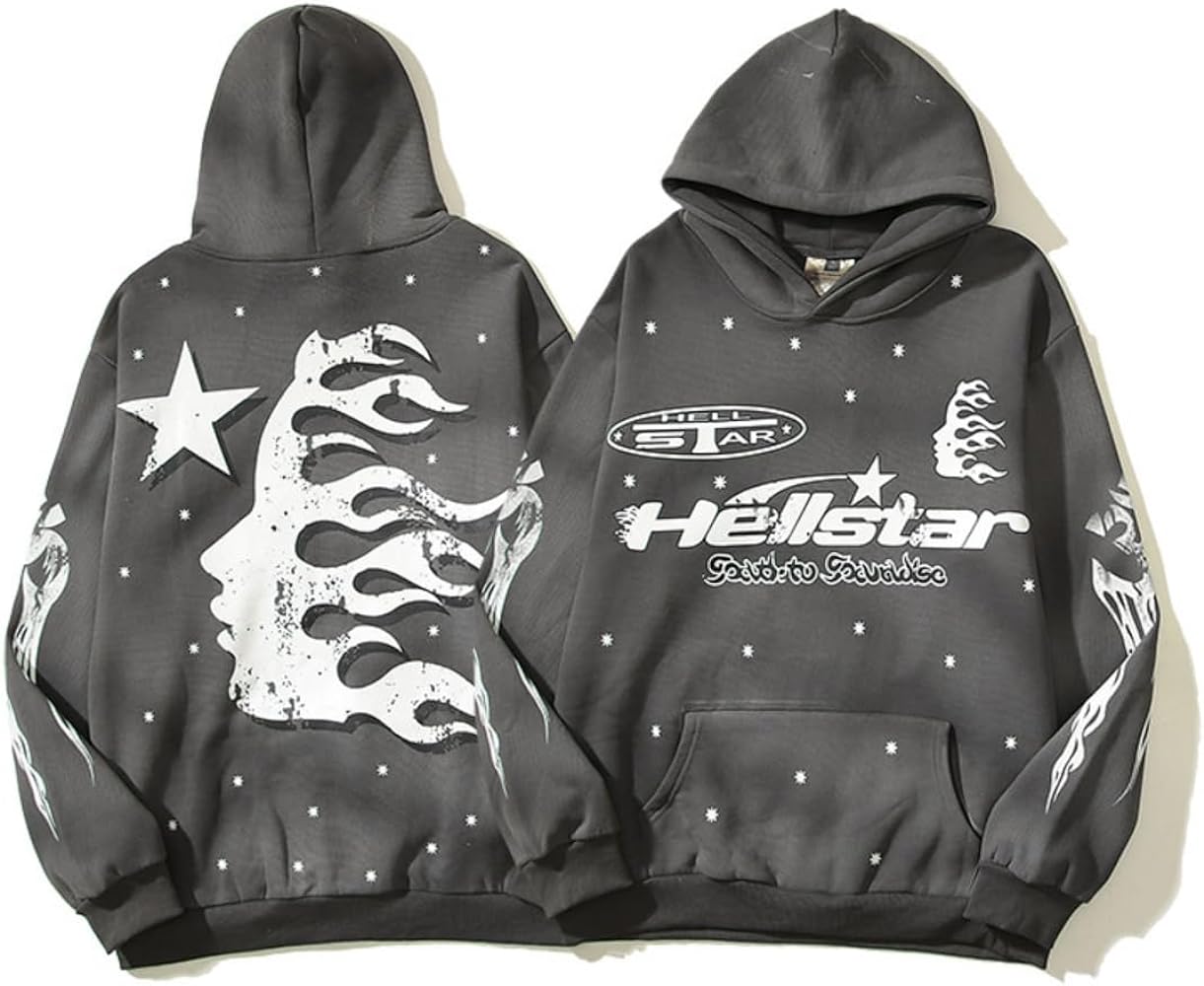
hellstrshop.com’s garments are notable for heavy graphics and a silhouette that favors boxy tees and slightly oversized hoodies, which are staples in streetwear. The brand uses distressed printing and patchwork details that reference DIY punk and underground skate aesthetics rather than polished luxury finishes. Those choices create immediate visual alignment with audiences who prize authenticity over mass polish.
Beyond look, Hellstar operates with small-batch production and direct-to-consumer drops—models that create urgency and scarcity, both of which are core to streetwear’s economics. The brand’s imagery leans toward darker subcultural references, which taps a steady niche: consumers who want to signal outsider cred within an urban social field. Finally, Hellstar’s communication—lookbooks shot in gritty urban environments, behind-the-scenes printing videos, and micro-influencer partnerships—further cements its streetwear identity.
What specific aesthetic moves make Hellstar feel like streetwear?
Hellstar adopts graphic-first design, boxy proportions, and distressed production techniques that are instantly readable within streetwear’s visual vocabulary. Those elements give the brand immediate shelf-read as streetwear rather than high-fashion or basic athleisure.
The graphic emphasis places tees and hoodies as primary canvases; Hellstar uses bold occult-inspired icons, heavy typography and layered artwork reminiscent of skate zines and punk flyers. That visual language communicates a lineage: punk flyers → zines → skate graphics → streetwear drops. It’s a concrete semiotic chain that fans recognize and value.
Cut and fit matter. Hellstar leans into roomier fits, reinforced stitching on high-wear points, and occasionally drops denim or cargo-style pieces with useful hardware—details borrowed from skatewear functionality. Those choices are not aesthetic-only; they speak to wearability on a skateboard, in a mosh pit, or in crowded city transit, which is how streetwear originated as functional urban clothing.
Production techniques also signal intent. Silkscreen methods, pigment washing and intentional distressing create a handmade surface texture that separates Hellstar from digitally printed fast-fashion graphics. That tactile quality is a tangible authenticity cue for collectors and buyers who scan for craft signals when deciding what to keep versus resell.
Finally, Hellstar’s lookbooks, photography and styling replicate street-level contexts—graffitied alleys, skateparks, dim venues—so the clothes read as lifestyle pieces rather than aspirational luxury. That contextual placement is a deliberate move to anchor the brand within streetwear culture’s lived environments.
How does Hellstar’s release strategy interact with drop culture and resale?
Hellstar’s release model—small runs, scheduled drops, and surprise capsule moments—leverages the same scarcity mechanics that fuel modern streetwear desirability. Those mechanics create talk, drive immediate buys and often produce secondary-market activity.
On release days, Hellstar typically uses timed drops announced via social channels and mailing lists; limited inventory and occasional restock policies keep individual pieces rare. Rarity converts to conversation: fans post fits, resellers list items, and cultural momentum grows.
The relationship with resale is a function of run size and cultural visibility. Hellstar’s smaller production makes certain pieces collectible, but resale performance also depends on broader adoption by tastemakers and community hubs. Scarcity alone doesn’t guarantee high secondary prices; the brand needs repeated cultural signals—collabs, editorial features, influencer adoption—to sustain resale value.
Below is a comparison of Hellstar’s typical approach against established streetwear players to show where it sits on design focus, production, pricing and distribution.
| Attribute | Hellstar | Supreme (example) | Fast-Fashion Brand |
|---|---|---|---|
| Design focus | Goth/punk graphics, DIY silkscreen texture | Skate-heritage + high-profile collabs | Trend-driven, mass market prints |
| Run size | Very limited / small-batch | Limited, but larger runs historically | Large-scale production |
| Typical price | Mid-tier indie pricing | High resale potential | Low retail price |
| Distribution | Direct-to-consumer, indie stockists | Flagships, select retailers | Global retail chains |
| Resale behavior | Occasional secondary market spikes | Consistent resale market | Minimal resale value |
This table shows Hellstar sits between underground DIY labels and mainstream hyped brands: it uses scarcity and specific aesthetics to attract a devoted niche rather than mass-market consumption.
Brand collaborations, music and skate signals that prove cultural alignment
Hellstar’s collaborations and cultural touchpoints are evidence-based pathways into the streetwear ecosystem. Working with local bands, skate teams and zine editors places the brand directly in subcultural circuits that matter.
Music tie-ins—limited merch for underground bands or collaborative shows—create authentic cultural provenance. When a Hellstar tee appears at a gig or on a skate video, it functions as both clothing and cultural artifact: an item of identity for the scene. These placements are more valuable than paid celebrity endorsements because they originate inside the communities that drive trends.
Collaborations with small skate shops and independent artists amplify product credibility. Those partners contribute their own audiences and stylistic stamps, multiplying recognition across sub-scenes. Hellstar’s choice of partners signals which corners of streetwear it’s courting—if the brand teams up with a skate crew, it signals functional authenticity; a collaboration with a goth zine signals underground cultural depth.
Lookbooks and campaign visuals also act as social proof: gritty editorial shots and behind-the-scenes printing footage show process and provenance. These artifacts are circulated on platforms where streetwear culture decodes authenticity—Instagram close-ups, TikTok fit videos, and niche forums—so the imagery itself becomes part of the brand’s cultural currency.
Finally, Hellstar’s retail strategy—selling via indie stockists or event pop-ups—places it in physical spaces where streetwear credibility is performed and verified face-to-face.
How do consumers and influencers shape Hellstar’s standing?
Consumer adoption and micro-influencer endorsement create the social proof that converts a label from niche to scene staple; Hellstar benefits from grassroots validation more than traditional marketing.
Micro-influencers—skaters, local musicians, shop owners—carry outsized influence in streetwear because they’re seen as authentic intermediaries. When these figures wear Hellstar in hot spots and document it, their followers translate that into cultural permission to buy. The brand’s strategy of seeding items with those individuals accelerates cultural uptake.
Community feedback also informs product evolution. Early buyers who value functionality and graphics will signal what’s working—fit, print placement, fabric weight—so Hellstar can iterate small-batch runs that reflect real user needs. That feedback loop is essential; it keeps designs grounded in lived use rather than theoretical trends.
Streetwear reputation frequently spreads via peer networks and secondary-market listings; photos of worn pieces and user-generated content often have more persuasive force than brand copy. Hellstar’s presence in those organic channels determines whether it becomes a cult favorite or remains a limited curiosity.
Ultimately, the brand’s standing is co-created: Hellstar provides the artifacts and signals; consumers and influencers translate them into cultural value.
Little-known but verified facts about Hellstar and its scene
There are specific, evidence-backed dynamics that explain why a brand like Hellstar can gain traction quickly within streetwear. First, limited runs materially increase perceived value: scarcity drives faster purchase decisions and creates collectible mindsets. Second, graphic-heavy, silkscreened tees age visually over time in a way that fans prize—wear and wash produce authentic patina, which collectors seek. Third, streetwear legitimacy tends to come from scene adoption rather than ad spend; placements in zines, skate clips and gig merchandise convert to long-term cultural capital. Fourth, collaborations that align with local scenes (skate shops, underground bands, indie artists) produce more durable credibility than one-off celebrity endorsements.
Expert tip
“Don’t confuse visibility with credibility—seed your pieces with local scene figures first, then scale visibility; otherwise you’ll get short-lived hype without foundation.” This expert advice warns brands and buyers alike: chasing influencer volume without cultural grounding usually produces temporary spikes not sustained community value. For Hellstar, prioritizing authentic placements in skate videos, local shows and zines builds a foundation of trust among core fans. That trust later translates into more meaningful secondary-market interest and repeat buyers. Investing in small, credible collaborations yields stronger cultural ROI than generic mass promotion.
Final understanding: Why Hellstar belongs in streetwear
Hellstar fits into streetwear because it embodies the scene’s core mechanics: distinct visual language rooted in subculture, small-batch production that creates scarcity, and community-based cultural signaling through collaborations and placements. Those concrete moves—design, production, distribution, and placement—interlock to produce the brand’s identity within the ecosystem.
For observers and buyers, Hellstar represents a case of how niche aesthetics and deliberate scarcity can produce cultural value without relying on large budgets. The brand’s success depends on maintaining authenticity signals—the tactile prints, the gritty lookbooks, the local collaborations—that translate into sustained community adoption. If Hellstar keeps aligning product choices with scene needs, it will remain a meaningful actor in streetwear rather than a transient trend.
Streetwear rewards brands that act like communities: make useful garments, signal genuine roots, and let fans propagate the story. Hellstar’s positioning does all three, which explains why it reads as streetwear rather than a generic fashion label.